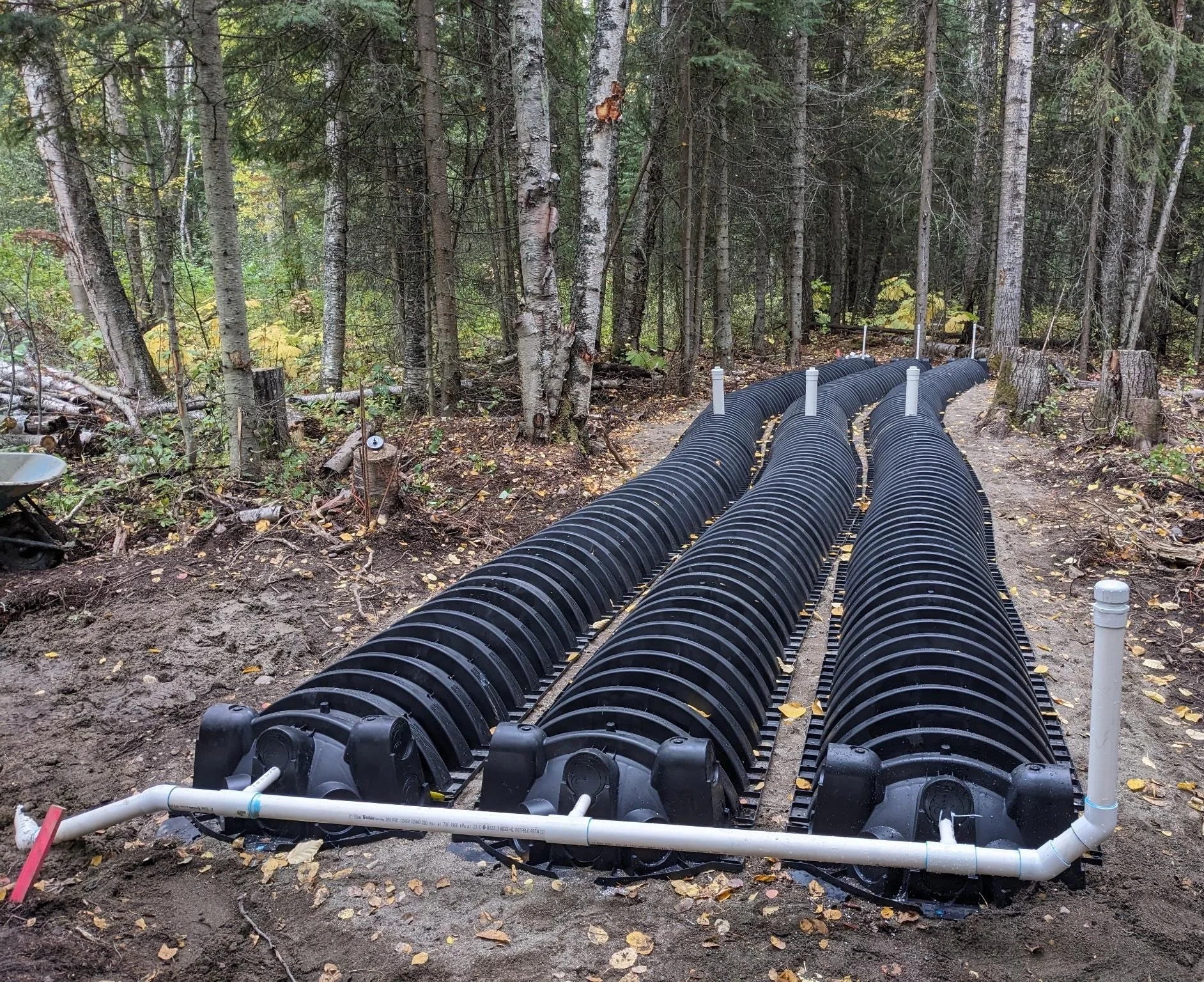
Waste Water
Western Water provides a range of services related to wastewater disposal to ground. From wastewater feasibility investigations in support of site planning for subdivision applications to on-site septic design, WWAL Hydrogeologists and Engineers are experienced in systems permitted through your local health authority. Where larger systems are concerned requiring registration under the Municipal Wastewater Regulation, Western Water regularly works with civil engineering clients to support design of infiltration facilities and complete Environmental Impact Studies. We have extensive experience with rapid infiltration basins, having completed many projects for municipal clients on disposal facilities with large design flows.
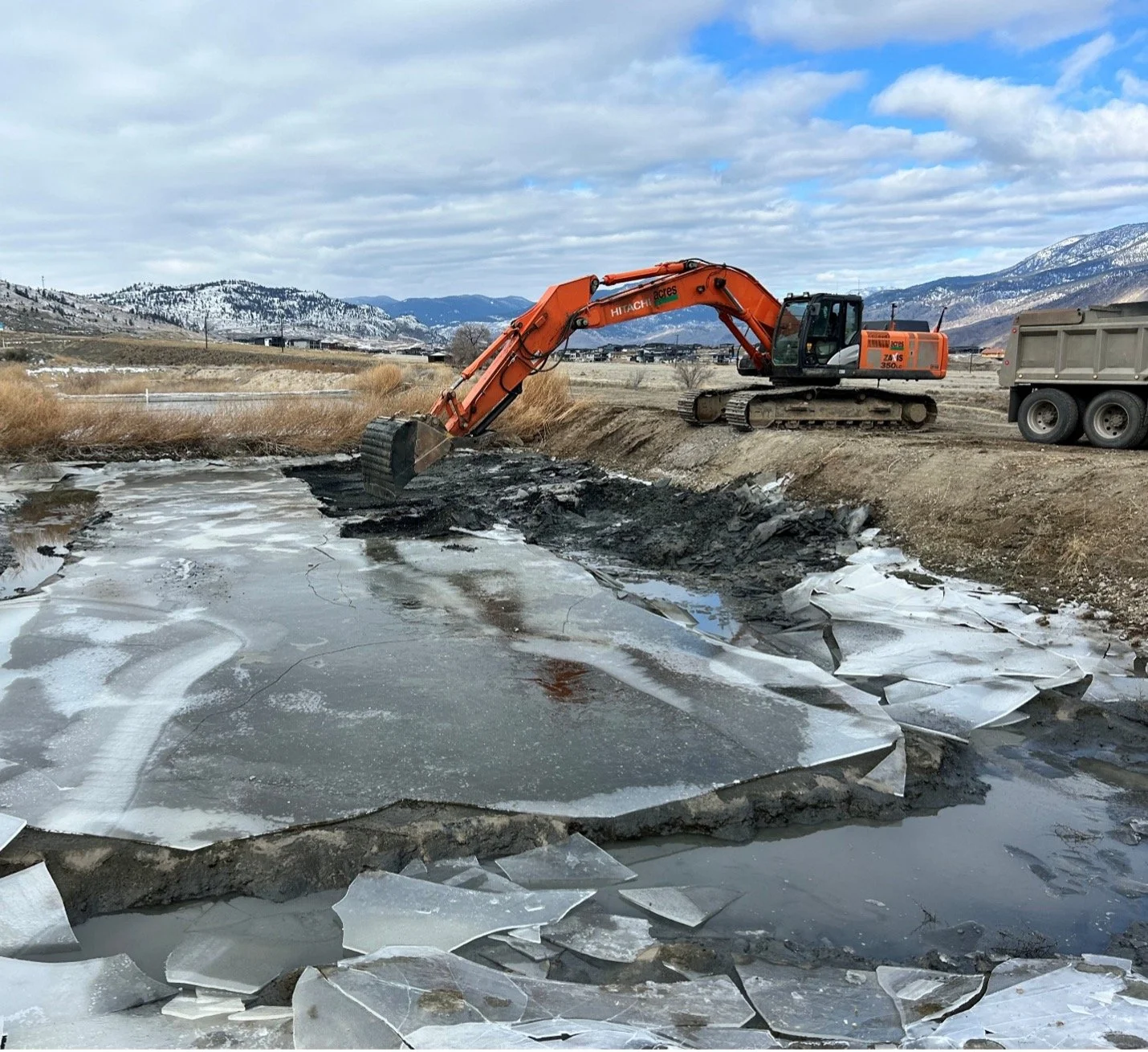
Stormwater Management
Effectively managing stormwater runoff is a key tenet of responsible development. When applied correctly, stormwater management incorporating infiltration is sustainable, results in better water quality and more closely mimics pre-development run-off. Western Water provides expertise to the land development and municipal sectors in evaluating the potential for managing stormwater via infiltration to the ground through a variety of techniques. The suitability of stormwater infiltration depends on geological conditions specific to the site, and Western Water has experience determining and implementing the appropriate investigations to determine how to best manage stormwater on your site.
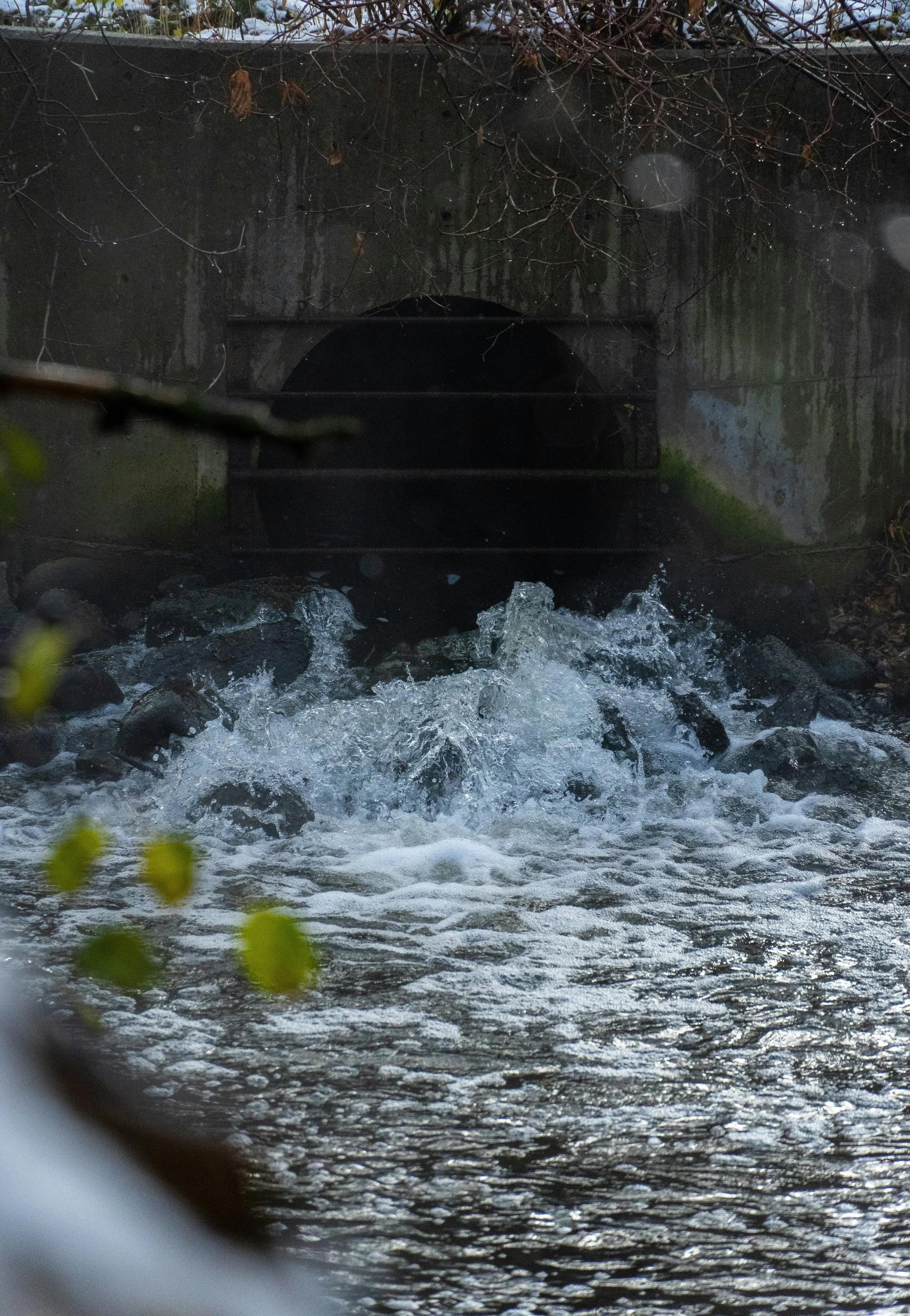
Environmental Impact Studies (EIS)
Large volume wastewater disposal requires an Environmental Impact Study (EIS) if discharging to surface water or if the volume exceeds 22.7 m3/day to ground. An EIS must be completed by a qualified professional and involves three major components:
Establishing pre-discharge conditions of the receiving environment (usually involving installation of groundwater monitoring wells and biophysical surveys).
Determination of whether the proposed discharge will adversely affect the receiving environment or human health;
And finally, development of recommendations concerning the treatment method and future monitoring to amplify protection of human health and the environment (treatment level, orientation of disposal fields, setbacks).
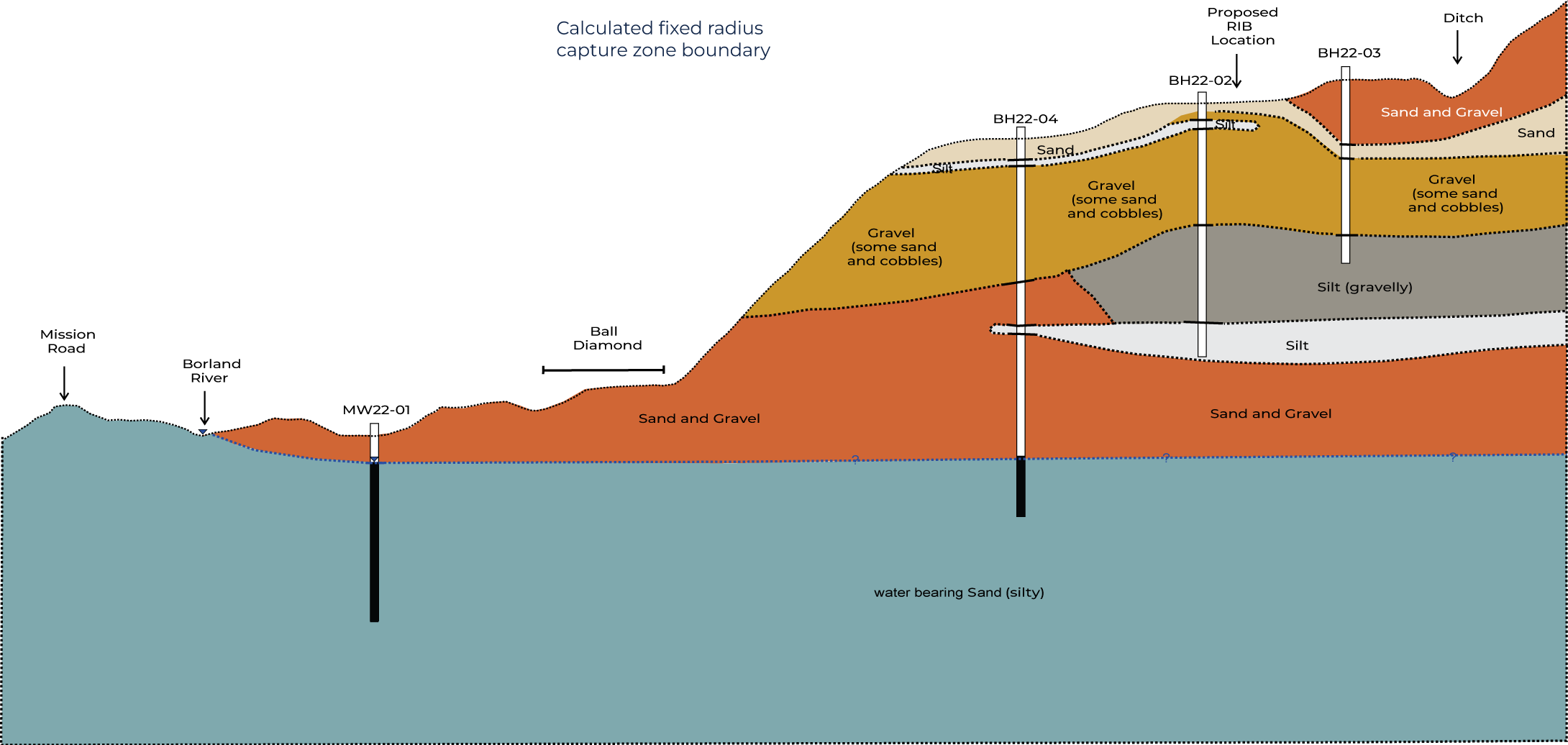
Western Water Hydrogeologists and biologists use a combination of traditional field assessment and modelling with the latest software to map groundwater flow, predict groundwater mounding and estimate dilution factors. As important as the assessment itself, is a close working relationship with the engineering team to work through the regulatory application and modify the system design to best suit specific site conditions observed during the field surveys.
Septic Feasibility Assessments
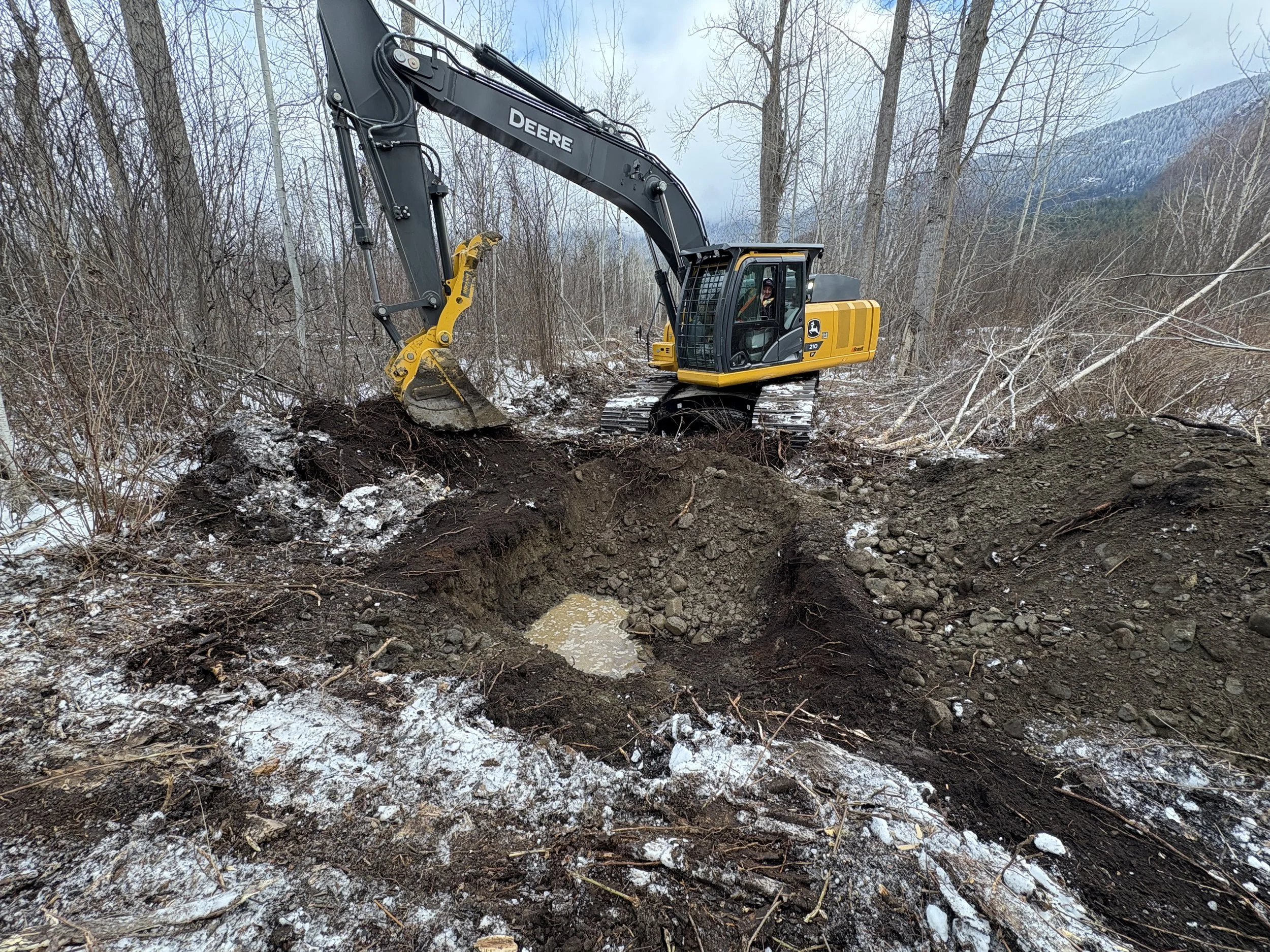
Western Water Associates completes wastewater feasibility assessments to support subdivision approvals and early-stage development planning. Our work typically includes test-pit programs, soil and groundwater characterization, permeameter or percolation testing, and evaluation of available land area, setbacks, slopes, seasonal groundwater conditions, and nearby wells or surface-water features. We use this information to determine whether onsite wastewater disposal is feasible, identify potential constraints, and provide practical recommendations for system siting and further design.
On-Site Septic Design & Permitting
Western Water provides onsite septic system design and permitting services tailored to site-specific soil, groundwater, topography, and development conditions. Our professional engineers use test-pit observations, permeameter or percolation testing, setback requirements, and proposed wastewater flows to design an appropriate treatment and dispersal system. We prepare the required plans and supporting documentation and submit the application through the local health authority for review and permitting